Why Wearing a Helmet Matters When Skiing — And When It Might Not Help
This post explores why wearing a helmet while skiing is a smart and essential choice, especially for beginners. It highlights common situations where helmets offer real protection — like unexpected falls, ski lift mishaps, and collisions — while also setting realistic expectations about their limits in high-speed impacts. The message is clear: you don’t wear a helmet out of fear, but for smart, everyday protection and peace of mind.
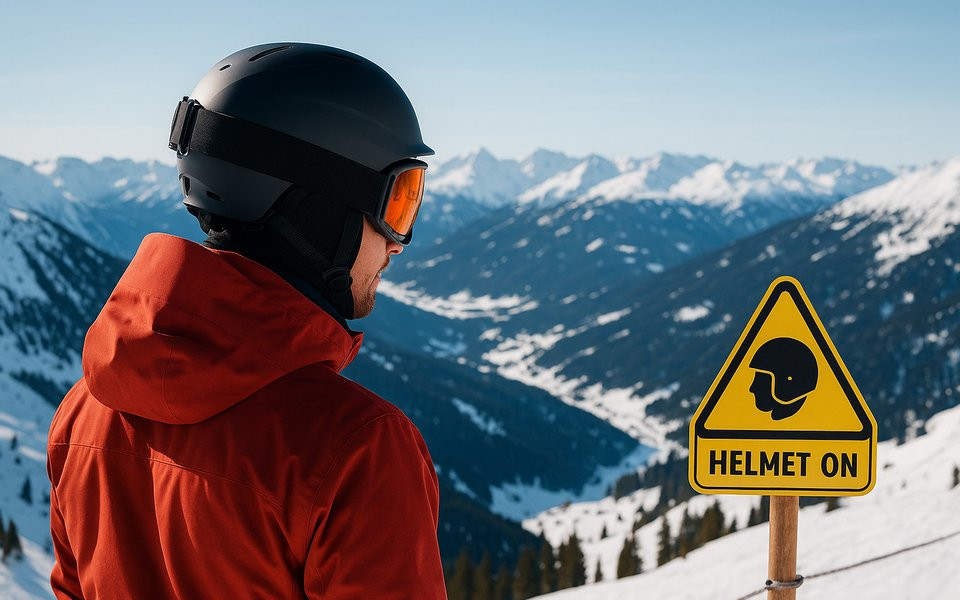
When you're standing at the top of a slope, gearing up for a run, your helmet might feel like just another bulky item. But make no mistake: wearing a helmet while skiing can make a meaningful difference in how well you walk away from an unexpected fall or mishap.
Still, it's important to have a realistic view of what a ski helmet can and can't do.
When Wearing a Helmet Is Most Important
While a helmet isn’t a magic shield, it plays a vital role in many common skiing situations:
1. Unexpected Falls on Hard Snow or Ice
Even at low speeds, a simple fall can lead to a hard impact between your head and the icy slope. A helmet helps absorb the shock and reduces the risk of concussion or minor head injuries.
2. Lift Accidents — Especially Ski Anchors and T-Bars
One of the most overlooked risks in skiing isn't even on the slopes — it's at the lift. Ski anchors (platter lifts) and T-bars can swing or snap back unexpectedly. A helmet adds protection from painful knocks caused by a lift pole hitting the back or side of your head.
3. Collisions With Other Skiers
Beginner slopes can get crowded, and sometimes other skiers lose control. A helmet gives you an extra layer of protection during these sudden, unintended encounters.
4. Terrain Park Mistakes or Low-Speed Falls
Even if you're not jumping or going fast, a slip, a hidden patch of ice, or uneven snow can surprise you. Many head bumps happen during "easy" runs. A helmet turns those surprises into far less concerning moments.
What Helmets Can’t Do: A Realistic Perspective
Let’s be clear: helmets are not designed to handle extreme impacts at very high speeds, such as hitting a tree or snowmaking equipment after a long, fast run. In such rare situations, helmets can only do so much.
But that doesn’t mean they’re not worth wearing — quite the opposite.
They’re highly effective at reducing injury risk in the majority of common skiing scenarios.
Think of your helmet as a reliable companion for everyday protection, not an all-purpose crash shield.
My Personal Take
In my opinion, wearing a helmet is a must — especially for beginner and recreational skiers. Not because you're racing or doing tricks, but because you're more likely to:
- Fall in ways you don’t expect
- Misread terrain or snow conditions
- Be around other skiers who might be unpredictable
And most importantly, helmets can protect you in small but very real situations, like:
- A fall while getting up from a chairlift
- A ski lift pole swinging into your head
- A slip while standing in a crowded lift line
These are everyday scenarios, and that’s exactly where helmets shine.
Final Thoughts
You don’t wear a helmet because you expect something bad to happen.
You wear it because it helps reduce the consequences when the unexpected occurs.
Even if it won’t solve every possible situation, it gives you peace of mind and practical protection where it matters most.
So put it on — not out of fear, but out of confidence and smart preparation.