What to Wear Skiing: A Beginner’s Clothing Guide
This beginner-friendly guide explains exactly what to wear skiing, focusing on the importance of proper layering, essential gear, and common clothing mistakes to avoid. It covers base, mid, and outer layers, along with accessories like gloves, goggles, and helmets—ensuring comfort, warmth, and safety for anyone hitting the slopes for the first time.
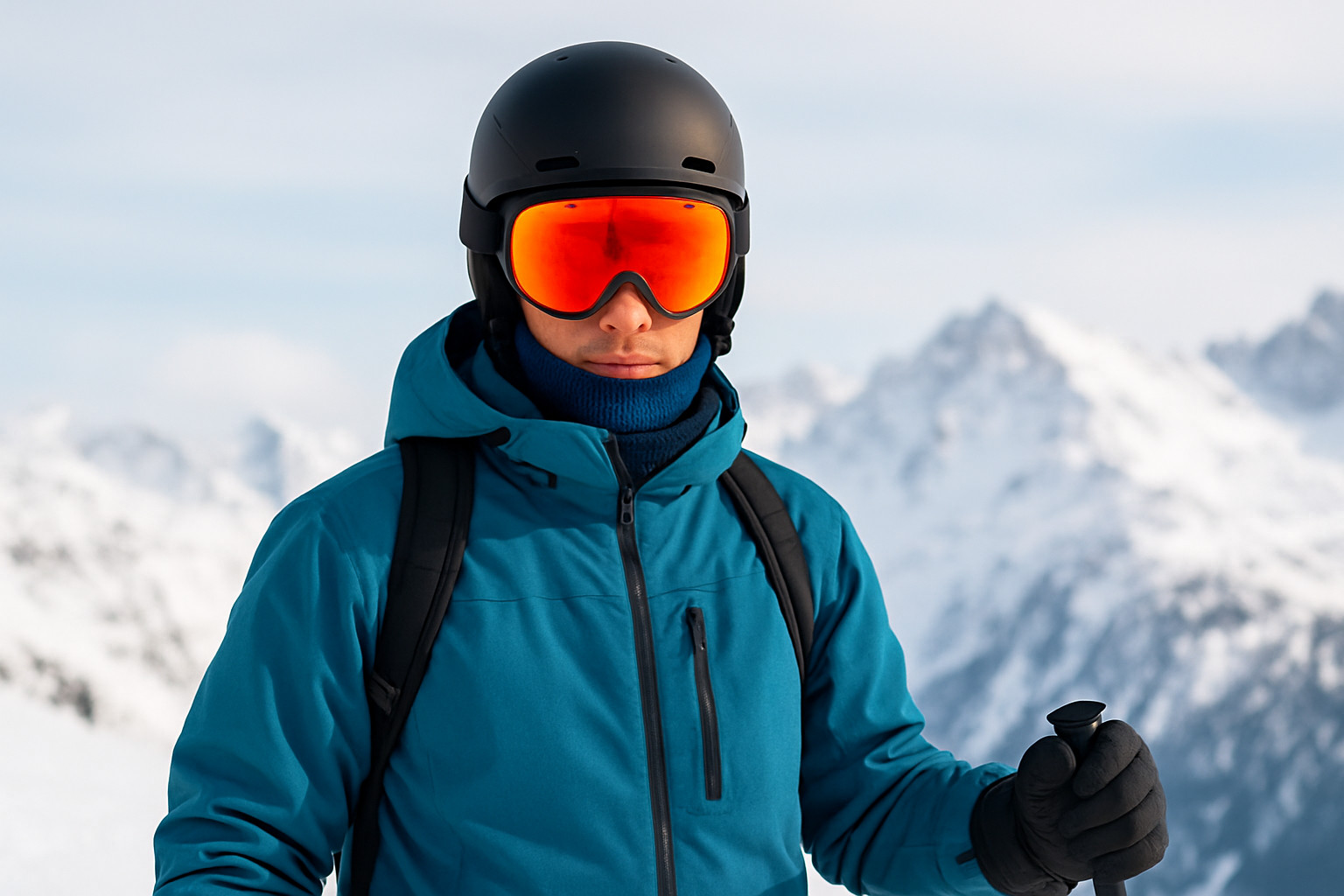
Getting dressed for skiing isn't just about looking good on the slopes — it's about staying warm, dry, and safe. For beginner skiers, the right clothing can make the difference between an enjoyable day and a miserable one. In this guide, we’ll walk you through how to layer properly, what gear you truly need, and the most common clothing mistakes to avoid.
The Golden Rule: Layering Is Key
Layering helps you adapt to changing weather and activity levels by allowing you to add or remove clothing as needed. A typical ski outfit consists of three layers:
1. Base Layer (Next to Your Skin)
- Purpose: Wicks sweat away to keep you dry.
- What to Wear: Moisture-wicking thermal tops and bottoms made from synthetic or merino wool materials.
- Avoid: Cotton — it absorbs sweat and dries slowly, making you cold.
2. Mid Layer (Insulation)
- Purpose: Traps body heat.
- What to Wear: A fleece, light down jacket, or insulated sweater. This is your warmth layer.
- Tip: If it’s very cold, opt for something thicker or consider two light mid-layers.
3. Outer Layer (Protection)
- Purpose: Shields from wind, snow, and moisture.
- What to Wear: Waterproof and windproof ski jacket and pants (preferably breathable too).
- Look For: Items labeled with "10k/10k" or higher waterproof/breathability ratings for beginners.
Don’t Forget the Accessories
Clothing alone isn’t enough — accessories protect your extremities and complete your ski outfit.
- Helmet: Always wear a ski helmet for safety and warmth.
- Goggles: Protect your eyes from snow, sun, and wind. Choose goggles with lenses suited for the day’s conditions.
- Neck Warmer or Buff: Keeps your neck warm and adds face protection in windy or snowy conditions.
- Ski Gloves or Mittens: Waterproof, insulated gloves are a must. Mittens are warmer but reduce finger dexterity.
- Ski Socks: Wear one pair of synthetic or wool ski socks. Avoid thick socks or layering multiple pairs.
- Hat/Beanie: Optional, but useful when not wearing your helmet.
- Ski Underwear (Optional): Thermal underwear or sports bras designed for winter sports can improve comfort.
Common Mistakes to Avoid
-
Wearing Cotton Clothing
Cotton stays wet and cold — always choose synthetic or wool layers. -
Too Many Layers
More is not always better. Over-layering can lead to sweating, then freezing once you stop moving. -
Wearing Multiple Pairs of Socks
It seems logical, but it causes blisters and reduces circulation. One good pair is enough. -
Renting the Wrong Size Gear
Oversized or tight clothing and gear can ruin your experience. Ask for help when renting. -
Ignoring the Weather Forecast
Conditions can change quickly in the mountains. Check before you dress and pack an extra layer just in case.
Bonus Tip: Dress for the Lodge Too
Bring a comfortable change of clothes for après-ski or lounging in the lodge. You’ll thank yourself when you peel off your ski gear and relax.
Final Thoughts
Knowing what to wear skiing is just as important as learning how to ski. With the right layering system, the proper gear, and a few insider tips, you'll stay warm, dry, and comfortable — giving you more energy and focus to enjoy the slopes.
Whether it’s your first time or your fifth, dressing smart sets the tone for a great skiing day.